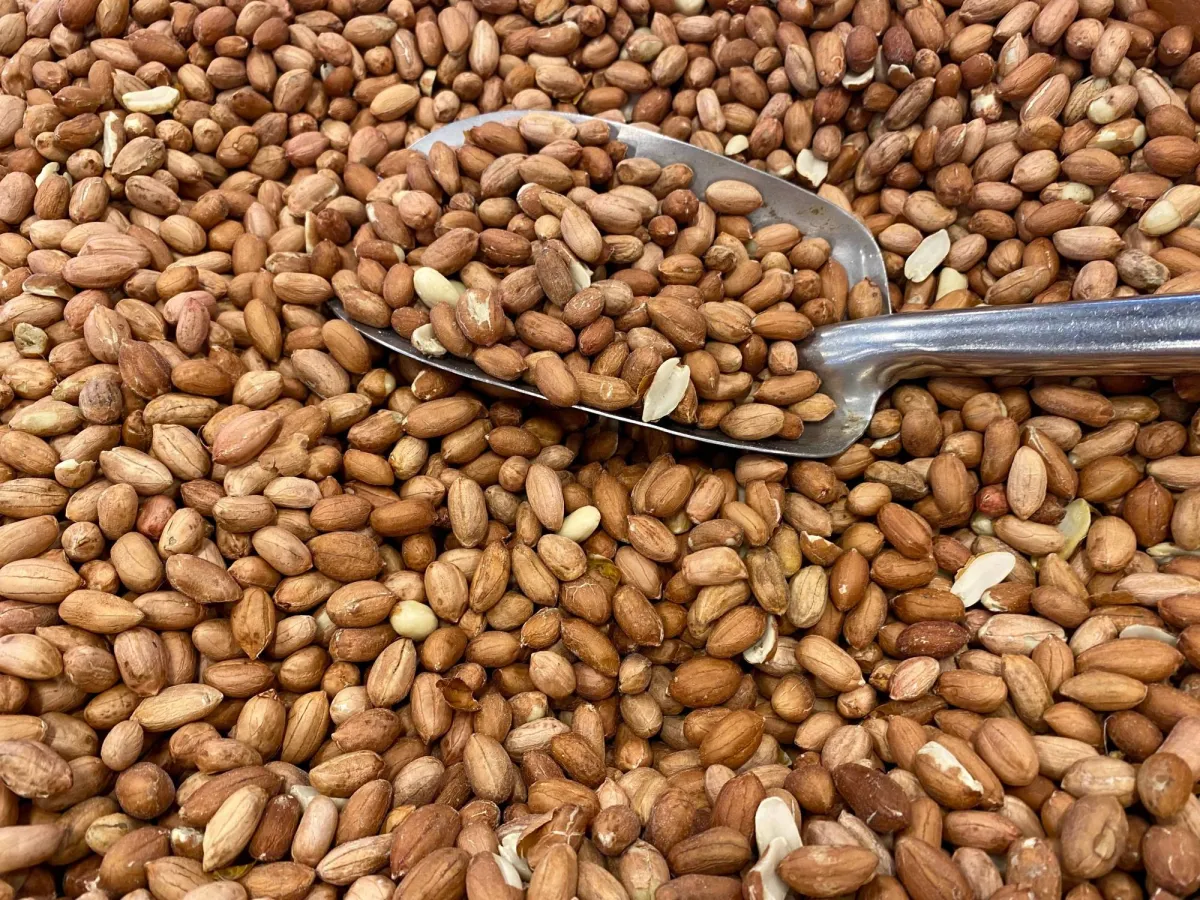
Eating two daily servings of roasted, unsalted peanuts — roughly 60 grams — may sharpen the brain's response to insulin in regions tied to memory, according to a study published in the journal Food & Function and reported by الشرق الأوسط.
The findings add to a growing body of research suggesting the humble legume, long valued for its vitamins, minerals and healthy fats, may also play a role in protecting the aging brain.
Why it matters
Insulin does more than regulate blood sugar. In the brain, it takes part in memory, learning and communication between nerve cells. As people age, the brain can become less responsive to insulin — a change that has been linked to the cognitive decline that often accompanies getting older.
Peter Joris, the study's lead author, told SciTechDaily that this drop in insulin sensitivity with age is associated with age-related cognitive deterioration, according to الشرق الأوسط. If a simple dietary change can improve that response, it could offer an accessible way to support brain health later in life.
What the research found
The Food & Function study focused specifically on roasted, unsalted peanuts, a detail that matters because salt and processing can change a food's nutritional profile. Participants who ate about 60 grams a day showed improved insulin response in memory-related brain areas, الشرق الأوسط reported, citing coverage by the New York Post.
Peanuts bring more to the table than fat and protein. According to الشرق الأوسط, they contain functional compounds that have been shown to support memory, sharpen cognitive abilities and help guard against disease and cognitive decline. They are also rich in vitamins, minerals, antioxidants and plant protein — a combination that has drawn attention from nutritionists and doctors alike.
Separate research from the University of South Australia, cited in the same report, points in a similar direction. Eating between two and three ounces of peanuts daily — about 56 to 85 grams — was linked to better cognitive function and improved blood circulation in the brain.
After just 12 weeks, participants in that study showed gains in short-term memory and in their ability to process and respond to new information, الشرق الأوسط reported. Their brains also became better at linking words together and retrieving them. Those results were published in the journal Nutritional Neuroscience.
A nutrient profile that reaches beyond memory
The benefits described in the reporting extend past insulin response. Peanuts are an excellent source of niacin and a good source of vitamin E, two nutrients that research has linked to protection against Alzheimer's disease and age-related cognitive decline, according to الشرق الأوسط.
Their unsaturated fats, already known for supporting heart health, also supply the body with energy — helping to fend off fatigue and maintain alertness. And the polyphenols in peanuts reach the brain areas responsible for learning and memory, where they are said to increase blood flow, support cognitive performance and possibly ease symptoms of depression.
Peanuts also contain L-arginine, an amino acid the body uses to produce nitric oxide, which plays a part in learning and memory processes. Meanwhile, their antioxidants may slow aging by reducing inflammation and helping preserve telomeres — the protective caps at the ends of chromosomes that shorten gradually over a lifetime. Shorter telomeres have been associated with conditions including cancer, type 2 diabetes and heart disease.
What to watch
The research described is promising but should be read with care: the reported studies examined specific doses and time frames, and the findings do not establish that peanuts prevent cognitive decline on their own. Readers considering a daily habit should also note that the study used unsalted, roasted peanuts, and that peanuts are a common allergen.
For now, the takeaway from the reporting is modest and practical — a handful of peanuts a day may be a simple addition to a brain-friendly diet, with more research likely to clarify how much of the effect is real and how long it lasts.